There’s a reason you talk to your dog like he understands every word, or catch yourself checking your phone at work to see if your cat’s okay. It’s not silly, and it’s not just in your head. Scientists actually have a name for it: the human-animal bond. And once you understand what’s happening in your brain and your pet’s brain when you’re together, that “crazy pet person” feeling starts to make a lot more sense.
Here’s a real look at the science behind why we love our pets so fiercely, and what it means for how you care for the bond you already have.
The Chemistry Behind the Connection
When you lock eyes with your dog, pet your cat, or even just look at a photo of them, your brain releases oxytocin, the same hormone that surges when a parent bonds with a newborn. A well-known study out of Japan found that mutual gazing between dogs and their owners raised oxytocin levels in both species. Your pet isn’t just tolerating your affection; their body is chemically rewarding the relationship too.
At the same time, cortisol (your stress hormone) tends to drop during quiet time with a pet. That’s why fifteen minutes with your dog after a rough day can feel more effective than fifteen minutes of scrolling your phone. It’s not a coping mechanism you invented. It’s biology working the way it’s supposed to.
Why Pets Read Us So Well
Dogs, in particular, have spent roughly 15,000 years evolving alongside humans, and it shows. They can read human facial expressions, follow a pointed finger (something even chimpanzees struggle with), and pick up on tone of voice with startling accuracy. Cats are less studied but no less tuned in; research shows they recognize their owner’s voice specifically and respond differently to it than to a stranger’s.
This is part of why the bond feels two-way. Your pet isn’t just a passive recipient of your love. They’re actively reading you, adjusting to you, and in many documented cases, comforting you when you’re upset without being asked to.
What the Bond Actually Does for Your Health
This isn’t just a warm feeling, it shows up in measurable ways:
- Lower blood pressure: Multiple studies have found pet owners tend to have lower resting blood pressure than non-owners, especially during stressful tasks.
- Reduced loneliness: Pets provide a consistent source of social connection, which matters enormously for people living alone or through major life transitions.
- More daily movement: Dog owners average significantly more walking than non-dog-owners, often without thinking of it as “exercise.”
- Faster stress recovery: People recover from stressful events more quickly when a pet is present than when a friend or spouse is present, according to some cardiovascular studies.
None of this is because pets are convenient. It’s because the relationship taps into some of the oldest social and emotional wiring we have.
How to Strengthen the Bond You Already Have
The good news is that the human-animal bond isn’t fixed. Like any relationship, it grows with attention. A few things that genuinely help:
- Make eye contact on purpose. A few seconds of calm, gentle eye contact with your dog can trigger that oxytocin response. With cats, try a slow blink instead; it reads as trust in feline body language.
- Learn their specific signals. A tail wag isn’t always happy, and a purr isn’t always content. Spend time learning what your individual pet’s body language actually means.
- Protect one-on-one time. Even ten distraction-free minutes a day, no phone, just you and them, deepens the relationship more than an hour of passive togetherness.
- Respect their comfort zone. Bonding isn’t about maximizing contact; it’s about matching what your pet actually enjoys, whether that’s cuddling or quiet companionship nearby.
Honoring a Bond That Runs Deep
Part of what makes this connection so powerful is that it’s built on presence, not perfection. Your pet doesn’t love you for your best days. They’re just there, consistently, and that steadiness is rare and worth appreciating.
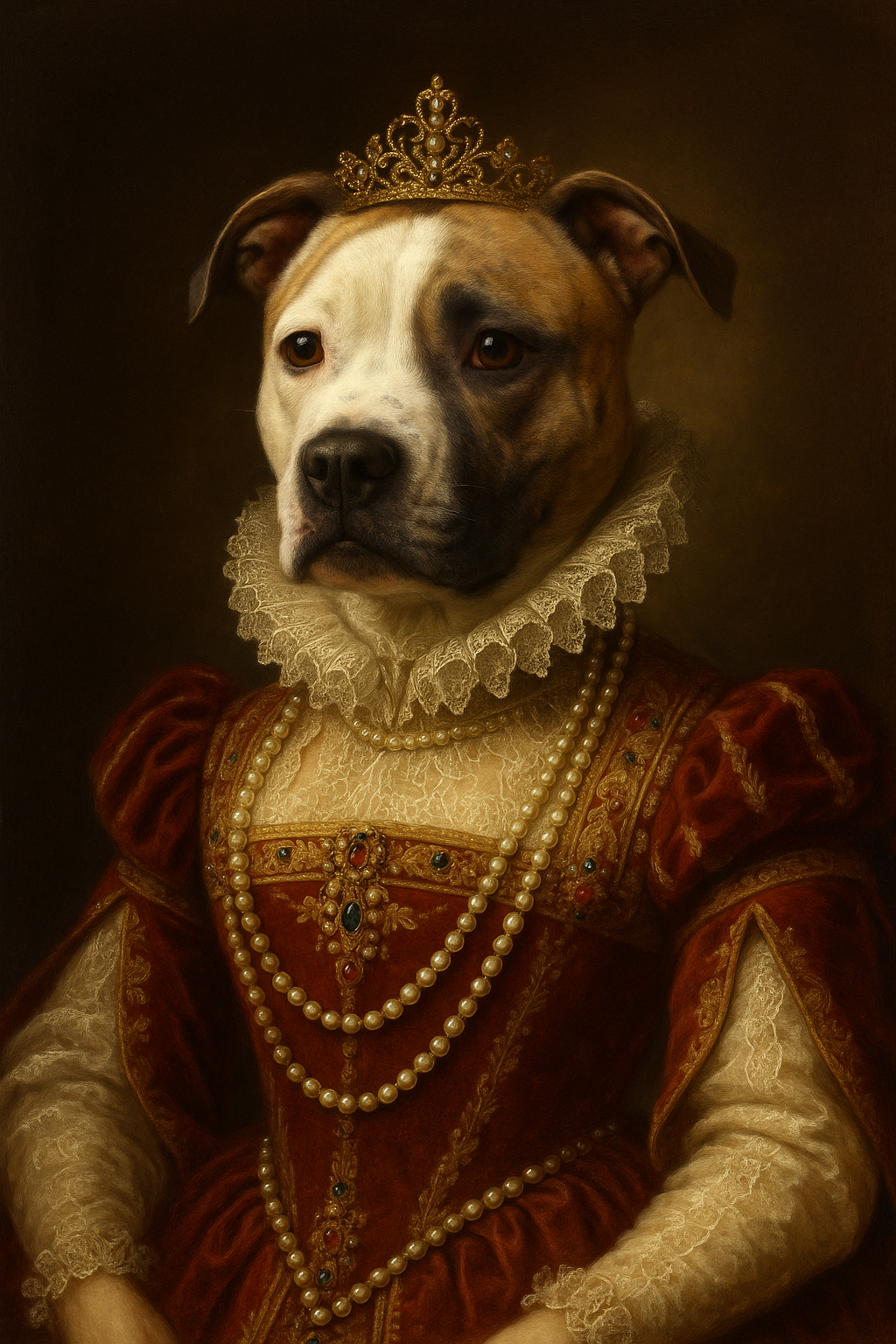
Some people find that turning a favorite photo into something more permanent, like a custom Munzely pet portrait, is a nice way to honor that bond and keep it somewhere visible in daily life, especially with pets who won’t be around forever.
The human-animal bond isn’t a metaphor. It’s a real, measurable, two-way relationship built on chemistry, communication, and history. The love you feel for your pet is backed by decades of research, and it’s worth every bit of attention you give it.