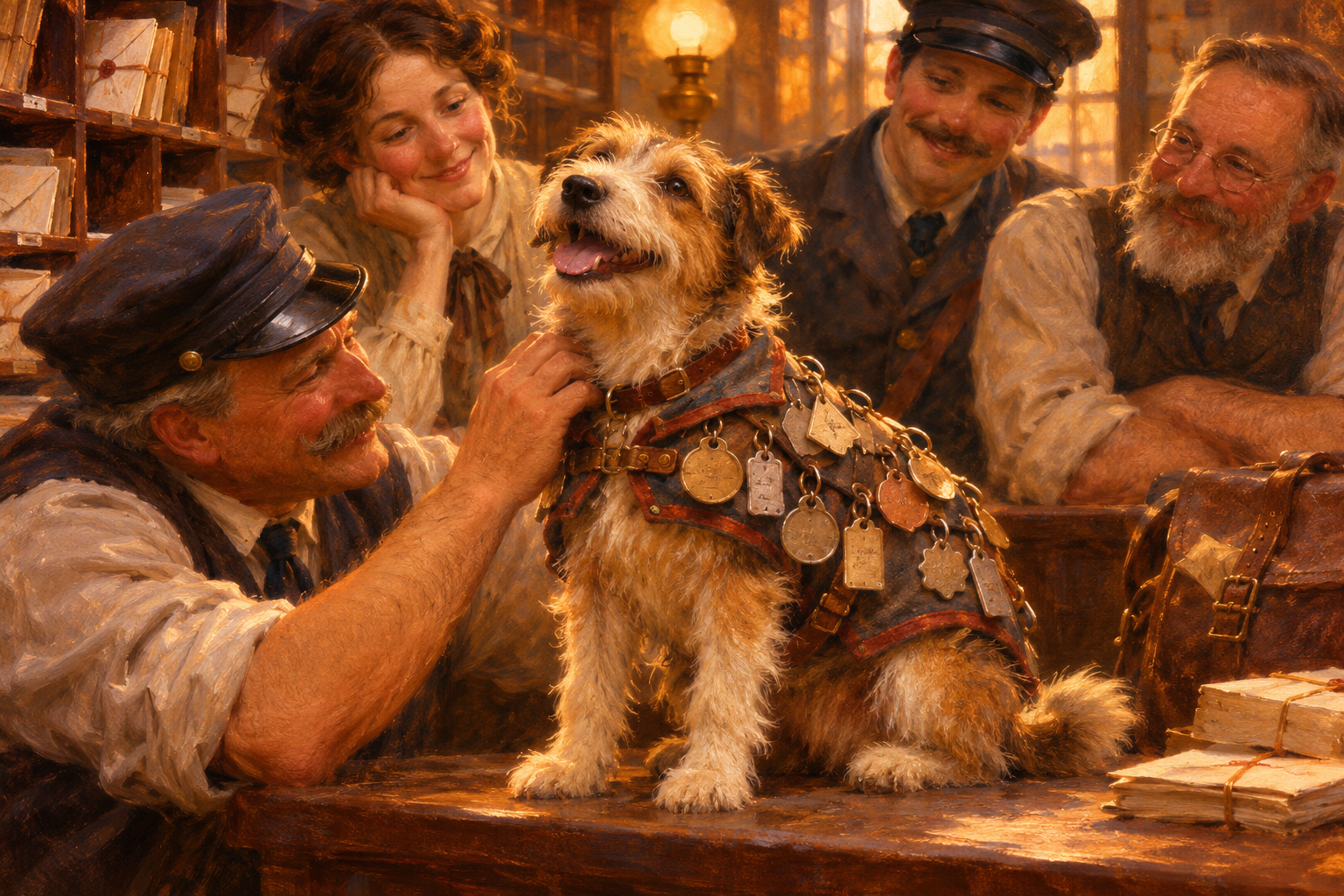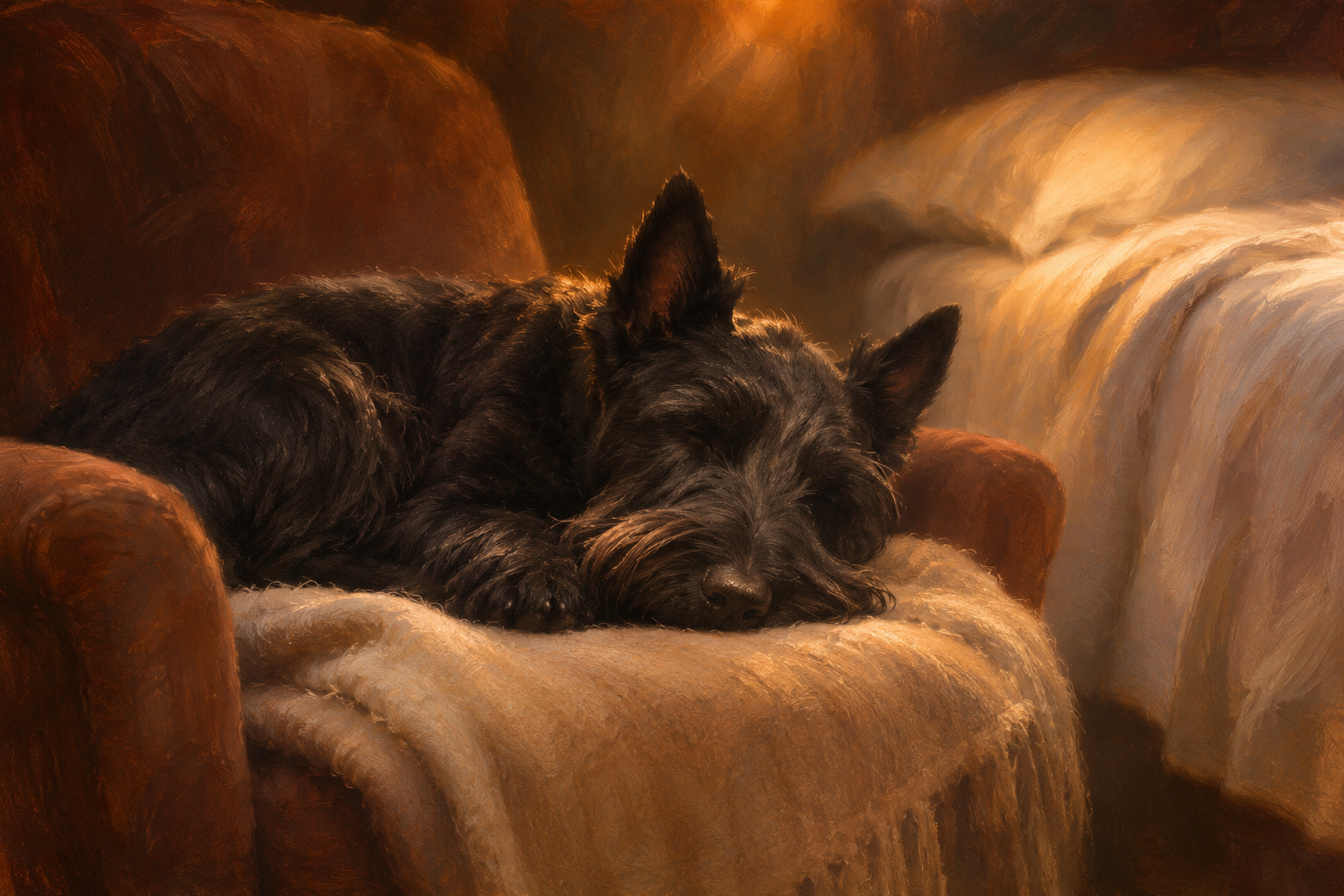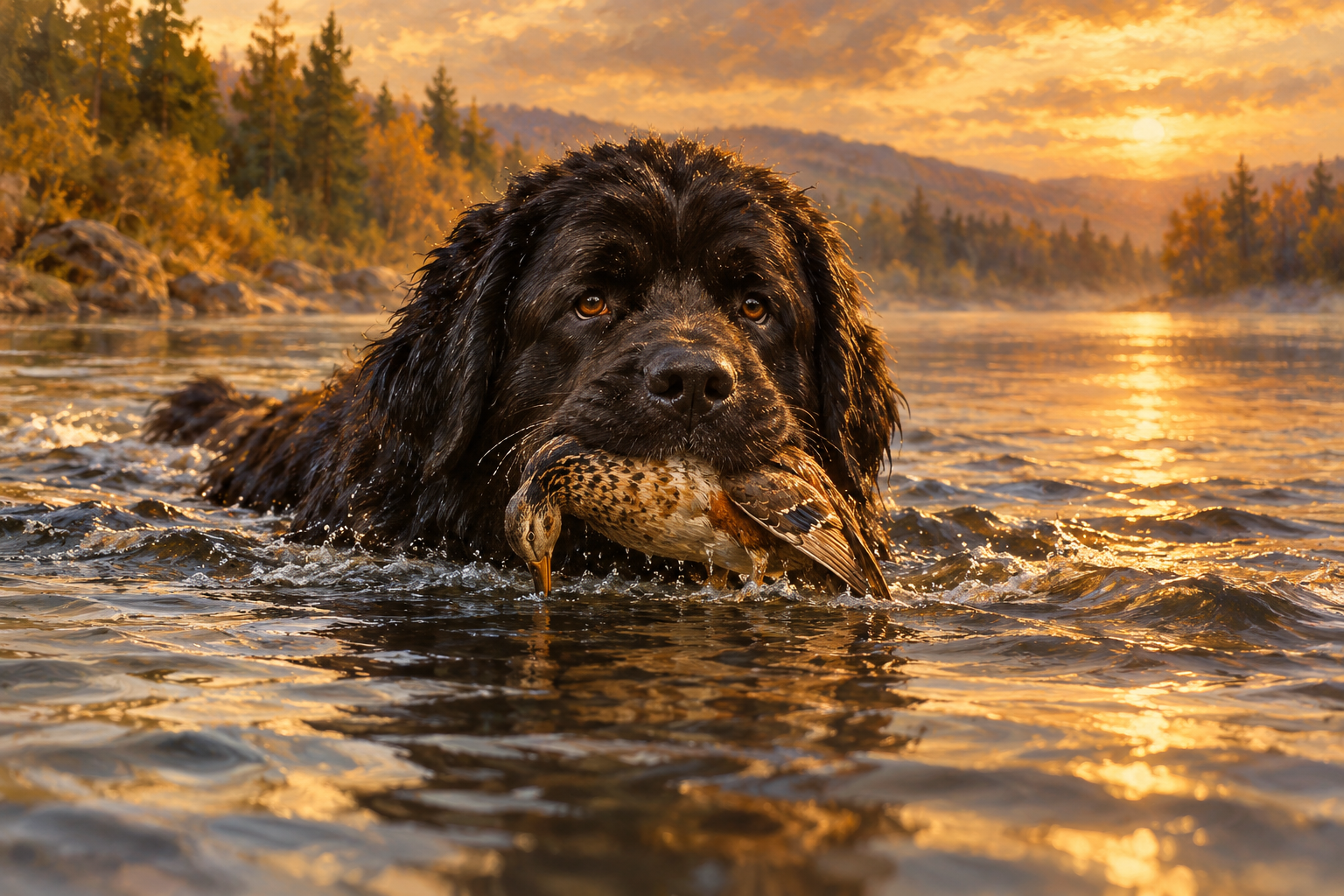
Your dog might greet visitors with a toy, supervise dinner from the best chair, or quietly follow you from room to room. Those little habits are a better starting point for choosing a portrait than breed alone. The right artwork captures the dog you live with: the expression, attitude, and quirks you would recognize anywhere.
When comparing pet portrait styles, start with personality, then consider the reference photo and where the finished piece will hang. Here is how to bring those three things together.
Start with three words and one favorite habit
Before browsing artwork, write down three words that describe your dog. Try specific combinations such as “gentle, watchful, cuddly” or “bold, bouncy, mischievous.” Then add a habit that makes you smile: carrying a sock to greet you, resting their chin on your knee, or claiming the middle of the sofa.
This gives you a useful brief. “Playful dog portrait” could mean almost anything. “Bright-eyed terrier with one folded ear and an expression that says he has stolen something” gives the portrait a clear direction. These are creative starting points, not fixed personality categories; a quiet dog can look wonderful in colorful artwork, too.
For the sofa monarch: royal portraits
Does your dog survey the household from a cushion as though everyone reports to them? A royal portrait can turn that familiar attitude into affectionate humor. Formal clothing, rich colors, and a composed pose work especially well with an upright head position or a wonderfully serious expression.
Choose a reference photo with visible eyes and a clear outline around the ears. If your dog has enormous ears or a distinctive head tilt, make sure the costume leaves those features visible. The joke works best when your dog remains instantly recognizable beneath the finery.
If this sounds like your household ruler, a custom Munzely royal pet portrait is one way to celebrate that particular charm. Think about whether you prefer a grand, dignified mood or the comic contrast of a goofy face above formal attire.
For the resident comedian: pop art or cartoon
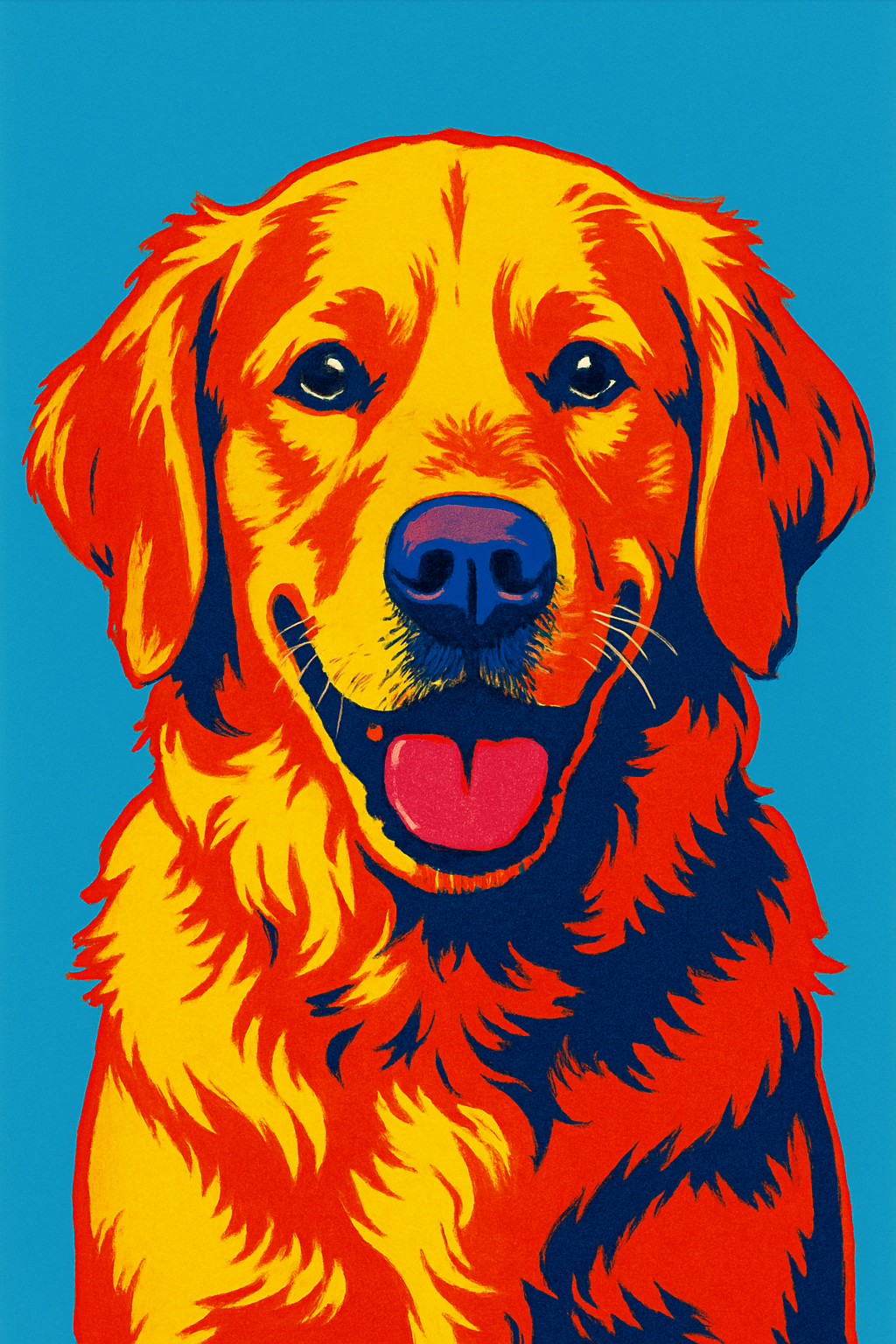
The dog who brings a squeaky toy to every serious conversation may suit bold color and playful shapes. Pop art puts the emphasis on contrast and graphic impact, while a cartoon treatment can highlight an expressive brow, an oversized grin, or those ears that seem to have separate agendas.
Decide which features must stay accurate before allowing exaggeration. Coat patches, eye color, muzzle shape, and ear position often carry the likeness. Ask for playful expression without changing those identifying details.
For the palette, choose two or three colors you enjoy living with. A vivid background can provide plenty of energy without recoloring your dog’s fur. If the room already contains strong patterns, a simpler background will help the face stand out.
For the gentle shadow: watercolor
If your favorite moments involve a warm body leaning against your legs, a watercolor look may capture that softness. Loose edges and subtle washes can create a relaxed mood, particularly with a resting pose or a small head tilt.
Look closely at sample faces, not just the pretty backgrounds. Softness should still leave enough definition around the eyes, nose, and mouth to feel like your dog. For a pale coat, some background contrast helps preserve the silhouette; for a dark coat, visible highlights keep the face from becoming one flat shape.
For the thoughtful companion: pencil or classic painted styles
A pencil portrait draws attention to expression, fur texture, and the contours of a familiar face. It is a lovely option when the detail you treasure is a silver muzzle, a gently wrinkled forehead, or a pair of watchful eyes.
A classic painted look can offer that same focus with color and a more substantial backdrop. Choose it if you want warmth in the coat, depth around the face, or a portrait that feels at home among traditional family pictures.
Neither style requires a solemn pose. A relaxed mouth or sideways glance can feel more personal than a perfectly straight, serious stare. Choose the expression you know best.
Choose a photo that supports the style
Even a well-chosen style needs a useful reference. You do not need a studio session, but a few small changes can make your photo much clearer:
- Photograph at your dog’s eye level to avoid making the head look unusually large or the legs unusually short.
- Use soft daylight near a window or outdoors in open shade so coat detail remains visible.
- Keep the eyes sharp and include both ears, with spare space around the head for cropping.
- Send the original image when possible; screenshots and heavily filtered photos can lose detail.
- Keep the session brief. Try a familiar cue or a toy near the camera, and stop if your dog turns away or wants to leave.
Make the final choice feel like your dog
Pick your two favorite styles, then imagine the same familiar expression in each. Which one brings your dog’s personality to mind first?
Before ordering, measure the intended wall space and mark out the print dimensions with paper. Check whether fine facial details will be visible from your usual viewing distance. Then write one clear request: “Please keep her uneven ears and gray chin; those are the details we love.” A portrait feels personal when it preserves the small things you would never want changed.