You scroll through your camera roll looking for the one. You know the photo. It’s the one that looks like your dog, not just any dog. Then you find it, and the head is cut off, or it’s blurry, or there’s a lamp growing out of their ear.
If you want a custom portrait, the photo you start with matters more than anything else. The artist or the tool can only work with what’s there. The good news: you don’t need a fancy camera or a pro. You need your phone, some daylight, and a little patience (and maybe a treat or two).
What Makes the Best Photo for a Pet Portrait
Before you start snapping, it helps to know what a great source photo looks like. It has four things:
- Sharp eyes. If the eyes are in focus, the whole portrait feels alive. If they’re soft, nothing else can save it.
- Soft, even light. No harsh shadows across the face and no blown-out white patches.
- Their whole head in frame. Ears, chin, and top of the head, with a little space around them.
- Their real expression. The head tilt. The goofy grin. The look they give you when you say “walk.”
Get those four right and you’re most of the way there.
Chase the Light (Not the Flash)
Light is the biggest difference between an okay photo and a great one. Turn off your flash. It flattens fur, makes eyes glow green or red, and tends to startle dogs.
Instead, use natural light:
- Indoors: Sit your dog near a big window, facing it, so the light falls on their face. Keep direct sunbeams out of the shot.
- Outdoors: Go for open shade, like the shadow of your house or a tree, or shoot on a cloudy day. Clouds work like a giant softbox.
- Timing: Early morning and the hour before sunset give warm, gentle light. Midday sun makes dogs squint and throws hard shadows under the brow.
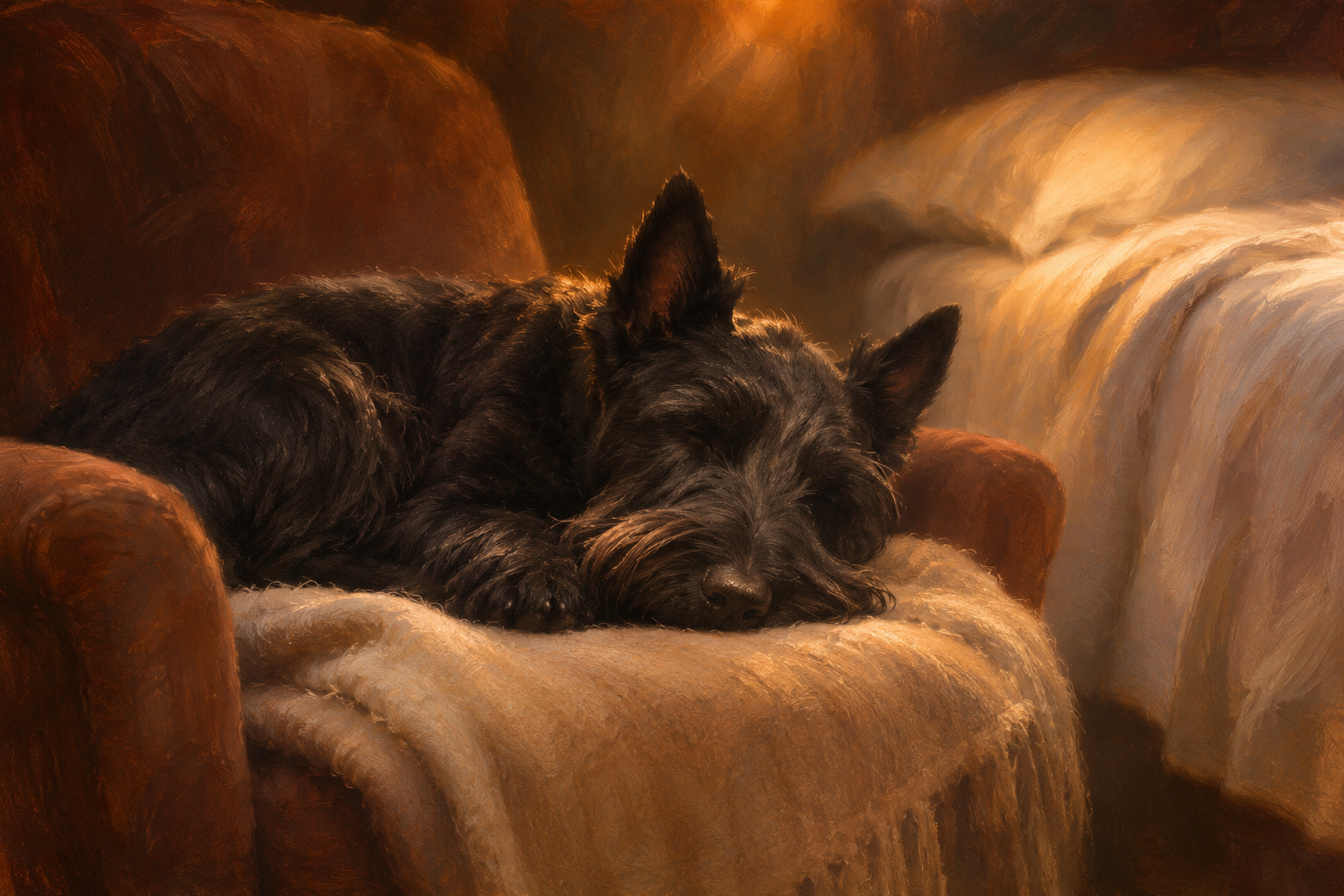
Got a black dog? Light is extra important. Dark fur swallows detail, so move closer to the window or step outside in the shade. Got a white dog? Stay out of direct sun so the fur doesn’t turn into one bright blob.
Get Down on Their Level
Most dog photos are taken from above, looking down. That’s how we see our dogs every day, but it makes them look small and squished in a portrait.
Kneel, sit, or even lie on the floor so your phone is at their eye level. This one change makes a photo feel like a portrait instead of a snapshot. It also shows the true shape of their face, which helps the final art look like them.
How to Get Their Attention (Without Losing Your Mind)
Dogs don’t pose on command. Here are a few tricks that help:
- Hold a treat right above your phone. Their eyes will follow it and land near the lens.
- Make a weird noise. A squeaky toy, a crinkly wrapper, or a silly sound can get that perfect head tilt. It usually only works once or twice, so be ready.
- Bring a helper. One person holds the phone, the other stands just behind it with the treat or toy.
- Tire them out first. A walk or a game of fetch before the shoot means a calmer, more relaxed dog.
- Keep it short. Five minutes of fun beats thirty minutes of frustration. If they’re over it, try again tomorrow.
Phone Settings That Actually Help
You don’t need to be a tech expert. A few quick moves make a big difference:
- Wipe your lens. Seriously. Pocket smudges cause more blurry photos than shaky hands.
- Tap to focus on their eyes. Tap the screen right on their face before you shoot.
- Use burst mode. Hold the shutter button to take a quick run of shots. One of them will catch the moment.
- Skip the zoom. Digital zoom makes photos grainy. Walk closer instead.
- Skip portrait mode (sometimes). It can blur the edges of fluffy ears and whiskers. Take a few regular shots too, just in case.
Keep the Background Simple
A calm background keeps the focus on your dog. A plain wall, a lawn, or a blanket works great. Watch out for anything that seems to pop out of their head, like a lamp, a plant, or a chair leg.
Leash, harness, or a person’s hand in the shot? It’s usually best to leave them out. A collar is fine if you’d like it in the art. Many people do, especially if it’s the one they’ve worn for years.
What If Your Dog Has Passed?
Many portraits are made to honor a dog who’s gone. If that’s you, you can’t take new photos, and that’s okay. Look through your phone, old albums, and social media for the clearest shot where their face is easy to see. Don’t worry if it’s not perfect. Send the best one you have, plus one or two extras that show their color and markings. Those details help capture who they really were.
Picking the Winner
Once you’ve taken a bunch, zoom in on each one. Are the eyes sharp? Is the light soft? Is their whole head in the frame? Does it look like them? The photo that checks all four boxes is your winner. Always send the original file, not a screenshot, since screenshots lose detail.
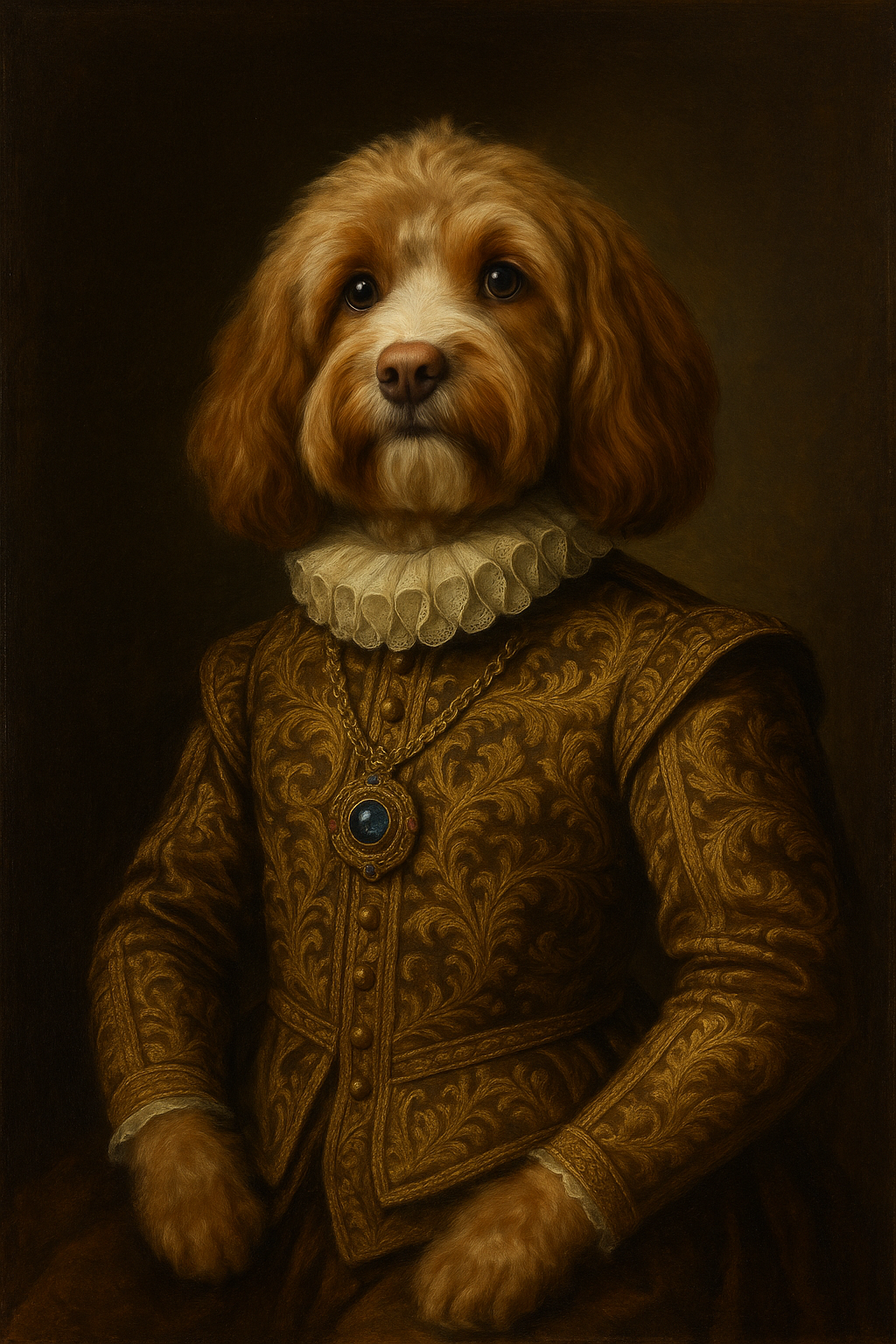
When you’ve found it, you can turn it into something you’ll keep for years. A custom Munzely pet portrait starts from exactly this kind of photo, so a few extra minutes of light and patience now show up in every brushstroke later.
So grab the treats, find a window, and get down on the floor. Your dog’s best photo is closer than you think.