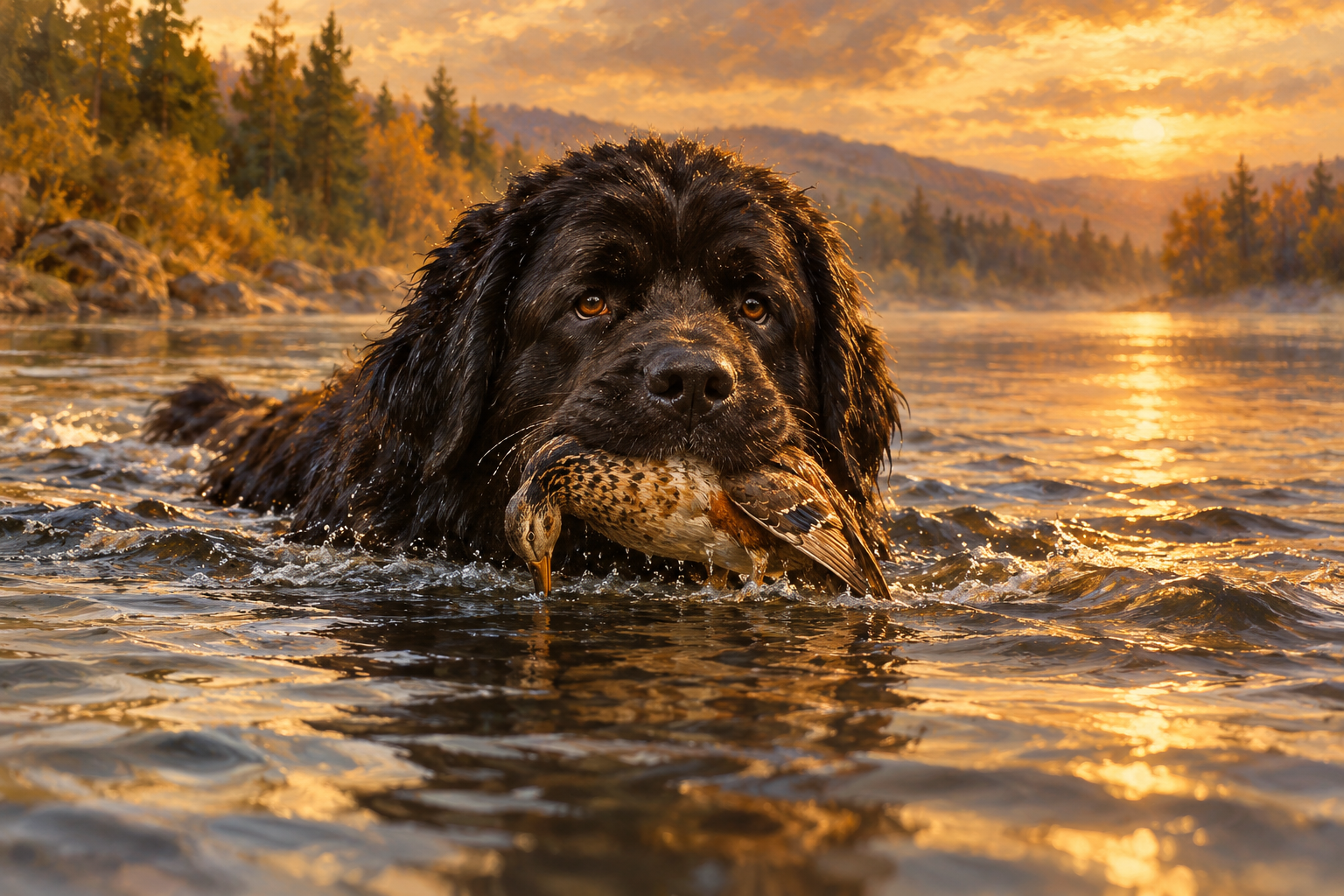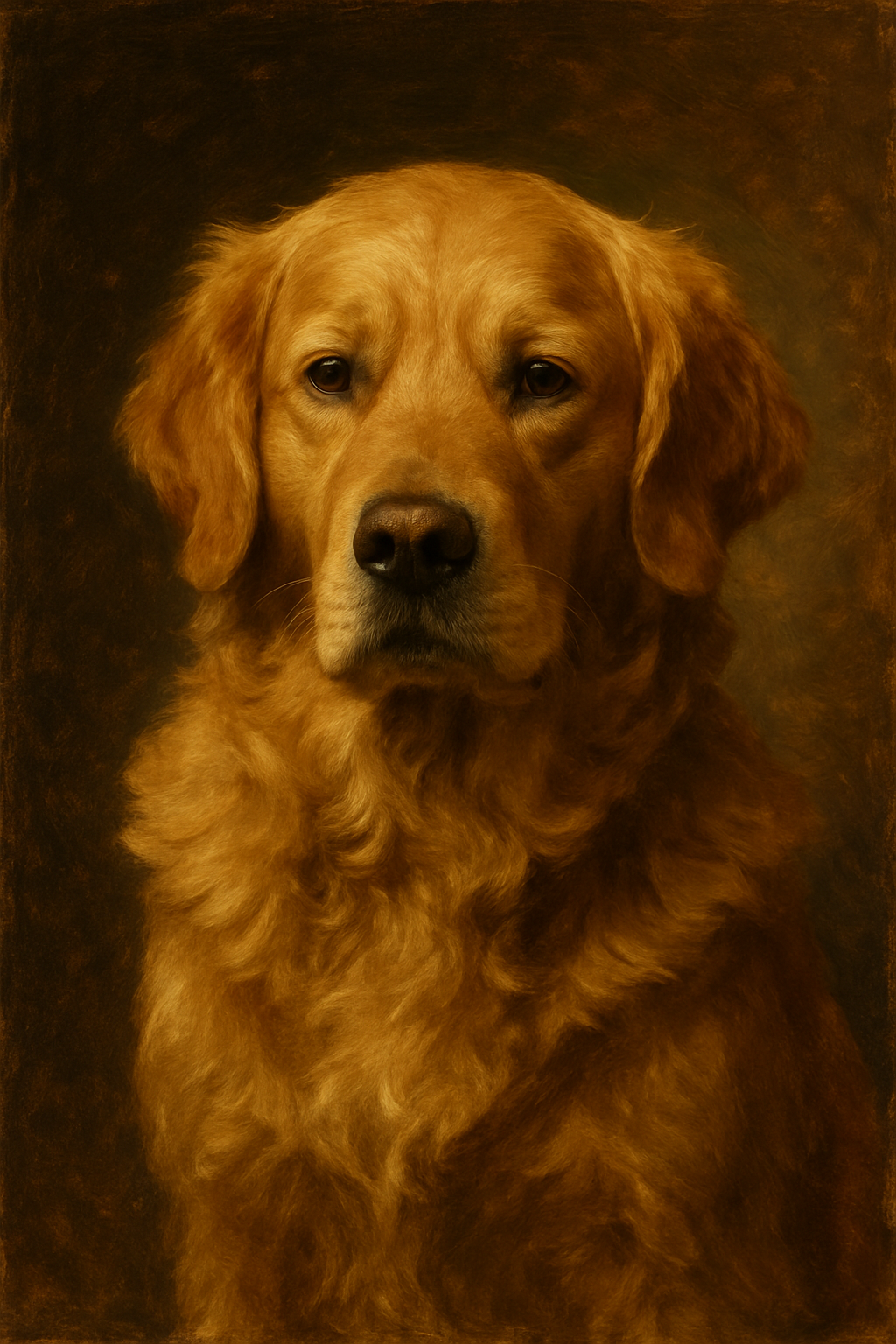
Your dog hears your key in the door and comes running. Your cat leaves a sunny windowsill to sit beside you. These tiny moments can make an ordinary day feel better—and explain why a creature who cannot say your name can become such an important part of your life.
The human animal bond grows through biology, familiarity, and the everyday experience of caring for another living being. Understanding it can help you recognize your pet’s affection and build a relationship that feels good for both of you.
Connection has a biological side
Oxytocin is a hormone involved in social bonding. In a 2015 study, researchers found that interactions involving dogs gazing at their owners were associated with increases in urinary oxytocin, supporting the idea of a feedback loop that helps reinforce connection. See the study published in Science.
That does not mean every cuddle produces the same response, or that one hormone explains love. The research describes a possible mechanism within a much richer relationship. Your shared history, your pet’s temperament, and whether an interaction feels comfortable all matter.
There is no need to turn this finding into a staring exercise. Let eye contact happen naturally. If your dog looks away, allow it; sustained staring can be uncomfortable, especially for an unfamiliar dog. Connection works best when neither participant feels pressured.
Your pet can form an attachment to you, too
Attachment is more than enjoying whoever fills the food bowl. Researchers look at how animals seek proximity, respond to separation, and behave when a familiar caregiver returns.
Dogs receive much of the attention, but cats belong in this conversation. A 2019 study found evidence that cats show distinct attachment styles toward human caregivers, using behavioral criteria adapted from attachment research. The research in Current Biology challenges the assumption that cats are simply indifferent housemates.
Still, affection does not have one universal appearance. A cat may choose the chair beside yours without wanting to sit on your lap. A dog may bring a toy instead of asking for a cuddle. Notice what your particular pet chooses when they have room to approach or leave.
Small routines give love somewhere to grow
Much of your relationship happens between the memorable moments: breakfast, walks, play, and the familiar sound of paws following you into another room. These repeated encounters give you opportunities to learn each other’s habits.
For you, a pet’s daily needs can provide structure and a reason to pause. For your pet, consistent care makes your behavior easier to predict. You become the person who notices the empty water bowl, understands the request to go outside, and puts the favorite bed somewhere quiet.
Choose one daily ritual you can reliably enjoy together. It might be a relaxed sniffing stop during a walk or a short wand-toy session before dinner. Keep it manageable enough to survive a busy week. Your attention matters more than making the activity elaborate.
Make affection comfortable for your pet
Our urge to hug, kiss, or scoop up a beloved animal does not always match what that animal enjoys. A useful habit is to offer brief contact, pause, and watch what happens next.
- Pet a willing dog gently on the chest or shoulder for a few seconds, then stop. If they lean toward you or clearly seek more, continue. If they move away, let them.
- Let a cat approach before offering gentle cheek or chin strokes. Pause if their tail starts lashing, their skin twitches, or they turn sharply toward your hand.
- Look at the whole body and situation. A wagging tail alone does not establish that a dog is comfortable; stiffness, freezing, or repeated turning away call for space.
- Give every pet a resting place where people leave them undisturbed. Teach children to invite interaction rather than follow a retreating animal.
Respecting a pause is an act of care. It makes room for your pet’s preferences alongside your own.
Build closeness through shared activities
Try a few minutes of an activity your pet already enjoys. For a dog, reward a simple hand target or let them investigate safe smells at their own pace. For a cat, move a wand toy along the floor like prey, allow catches, and put the toy away afterward.
Keep sessions short and end while your pet is still comfortable. Adjust the activity to their age, mobility, and interest. Quiet companionship counts, too: sitting nearby without demanding interaction may suit a shy or older animal better than lively play.
If you have recently adopted, leave room for the relationship to develop. You do not have to feel an instant, overwhelming connection. Learning someone’s routines—including a four-legged someone’s—takes time.
Notice the details you will want to remember
The bond becomes personal through details: the crooked ear, the breakfast dance, the way your cat tucks one paw under their chest. Take ordinary photos and write down a few favorite habits. If you enjoy displaying those memories, a custom Munzely portrait can celebrate a familiar expression you love.
Tonight, put your phone aside for a few minutes and notice what your pet invites you to do. Offer play, gentle touch, or simply company. Let their response guide you. Those small, attentive exchanges are how a shared home becomes a shared life.